
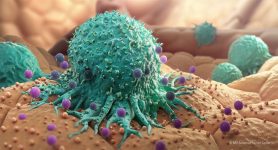

The reality of death doesn’t just change your perspective—it shatters it completely, rebuilding your worldview from the ground up. My mother’s battle with cancer ended when she was just 57, a time when life should have been blossoming with new possibilities. Her children were finally finding their footing in the world. She dreamed of welcoming grandchildren, watching her sons climb the corporate ladder, and seeing me build a beautiful married life. But then cancer arrived—silent and utterly merciless.
It crept in while we were distracted by the everyday bustle of our lives. By the time we noticed, it had already established its dominion, spreading relentlessly, mocking our helplessness as we saw the strong woman that she once was, fade away.
Those two years of her battle weren’t just difficult—they were soul-crushing. While my mother endured the physical torment of her disease, those of us around her experienced a different kind of agony altogether. I found myself avoiding home, working late to escape the stress and the agony that was awaiting at home. The sleepless nights spent attending to her needs as she became bedridden wore me down to my very core.
I confess now, without shame but with profound regret, that empathy eluded me during that time. Instead, I was consumed by anger, frustration, and that persistent, selfish question: “Why me?” The burden of caregiving overwhelmed me.
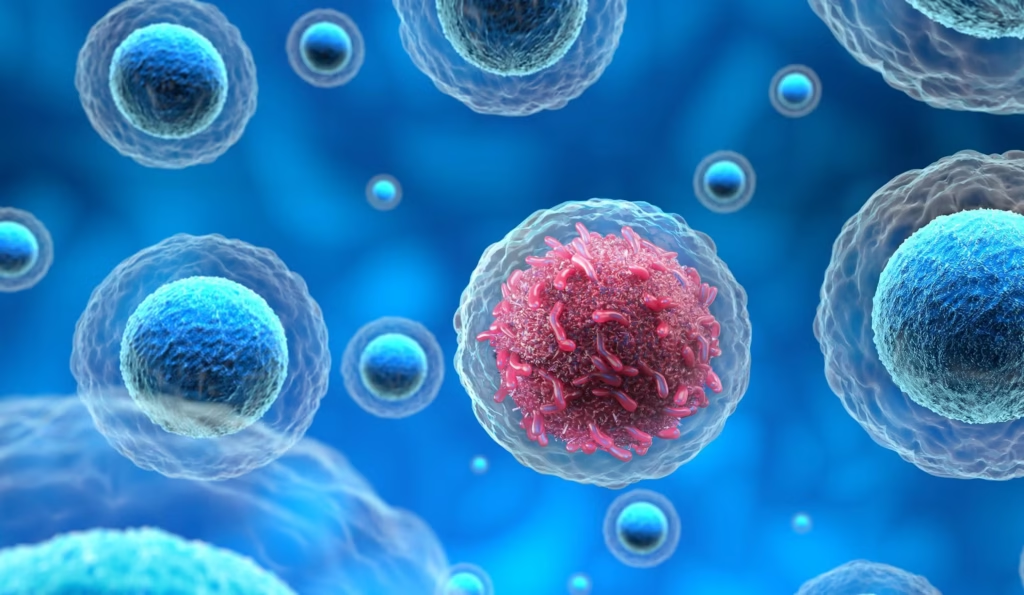
Fast forward eight years. On what began as an ordinary Saturday morning, I decided to get a routine mammogram—a precautionary measure I almost postponed. The discovery of a tumor nestled in my right breast brought my world to a sudden, terrifying halt.
As I navigated the emotional hurricane of my diagnosis, something unexpected happened—empathy began to bloom where anger once ruled. The thought of leaving my three-year-old child motherless terrified me beyond words. In that moment of vulnerability, I finally understood my mother’s fear, her courage, her love.
I am a survivor. The fighting spirit—a quality I now recognize as my mother’s greatest gift kept me alive. As I made independent decisions about my treatment plan and moved forward with determination, a wave of guilt consumed me. If only I could have shown my mother the compassion I now desperately sought for myself.
Cancer is not just serious—it’s an epidemic hiding in plain sight. When you realize that one in every five women faces breast cancer at some point, the statistics become faces: our mothers, aunts, grandmothers, sisters, and friends.
In India, women serve as the backbone of family life—preparing meals, nurturing children, supporting husbands, managing households with tireless dedication. Their own health invariably takes a backseat. Most women I know have never had a mammogram, never prioritized preventive care over family needs.
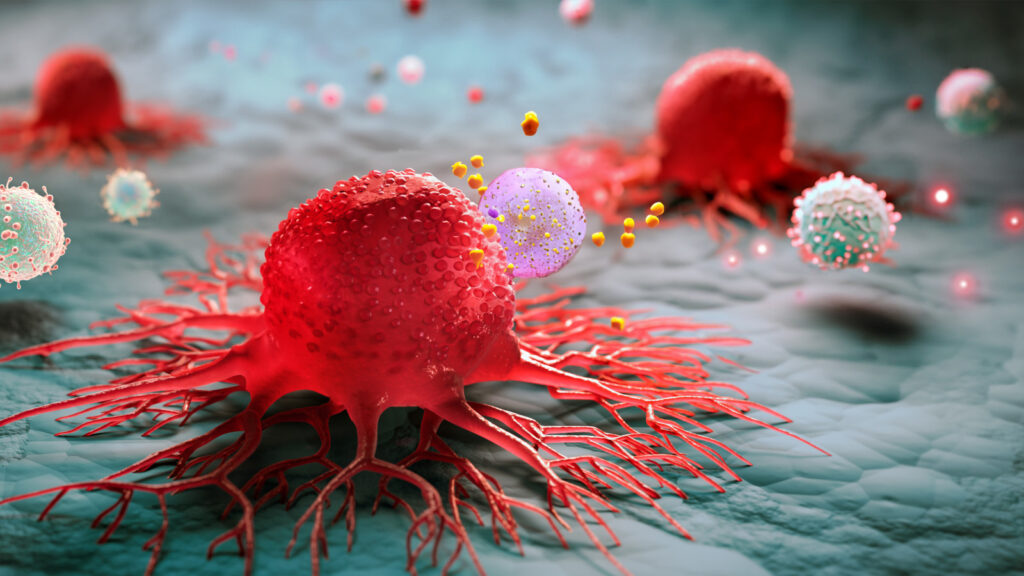
When cancer strikes, it devastates families—emotionally and financially. My experience taught me another painful truth: as Indians, we often suffer in silence. We guard our health issues as shameful secrets, fearing judgment from extended family and community. “What will people think if they know I have a flawed gene pool?” becomes a paralyzing thought that prevents many from seeking timely help or support.
Overcoming emotional trauma requires more than medical treatment—it demands connection. Through talking, sharing experiences, and developing survival strategies, we can do more than just survive—we can triumph over cancer’s grip on our bodies and minds.
This victory begins with consciousness: learning to silence the noise of daily life and truly listen to our bodies’ signals. That persistent pain, unexpected weight loss, or strange lump isn’t something to ignore or dismiss. These are your body’s desperate attempts to …